Neurological Investigations Paris 16th District

Neurological Investigations Paris 16th District

IENA Neurophysiologie offers comprehensive assessments for disorders of the peripheral nervous system and muscles.

Our investigations — electromyography (EMG), somatosensory evoked potentials, SudoScan, and specialist consultations — are performed by an expert neurologist in a practice fully dedicated to clinical neurophysiology, located in the heart of the 16th arrondissement of Paris.

Each examination is preceded by a medical consultation and followed by a detailed report provided immediately to you and sent directly to your referring physician.

Electromyography (EMG)

The gold standard diagnostic test for evaluating nerves and muscles

An electromyogram (EMG) is the most frequently prescribed neurological functional assessment.

It evaluates the function of the peripheral nervous system (motor and sensory nerves) as well as the muscles.

The examination consists of two complementary stages. The first is the nerve conduction study: small, painless electrical impulses are applied along the nerves to measure the speed and amplitude of the signal transmission. The second is the electromyographic recording: a fine needle is inserted into various muscles to analyse their electrical activity at rest and during contraction.

An EMG is indicated in many clinical situations, including:

·      Carpal tunnel syndrome and other nerve compressions

·      Peripheral neuropathies (diabetic, metabolic, inflammatory, etc.)

·      Radiculopathy (cervical or lumbar herniated disc)

·      Myopathies and muscle diseases

·      Suspected myasthenia gravis or motor neuron disease


The duration of the examination ranges from 20 to 60 minutes, depending on the extent of the requested assessment.

The medical report is prepared and handed to the patient immediately following the consultation.

The electromyogram (EMG) is the most frequently prescribed neurological functional assessment.

It evaluates the function of the peripheral nervous system — both motor and sensory nerves — as well as muscle function.

The examination is conducted in two complementary stages. The first involves the study of nerve conduction: small, painless electrical impulses are applied along the nerves to measure the speed and amplitude of signal transmission. The second stage is electromyographic detection: a fine needle electrode is inserted into various muscles to analyse their electrical activity both at rest and during contraction.

An EMG is indicated in a wide range of clinical situations:

·      Carpal tunnel syndrome

·      Peripheral neuropathies

·   Radiculopathies (cervical or lumbar herniated discs)

·      Myopathies and muscle disorders

·      Suspected myasthenia gravis or motor neurone disease

The duration of the examination ranges from 20 to 60 minutes, depending on the extent of the assessment required.

The medical report is prepared and provided to the patient immediately following the consultation.


⏱ Duration: 30 to 60 minutes


📋 Medical prescription required


🧴 Please avoid applying body lotions or creams to your limbs on the day of your examination


📄 Medical report provided immediately
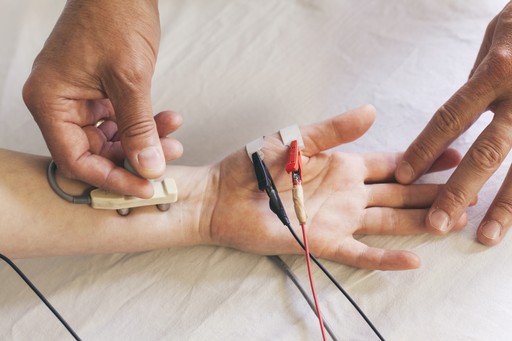
Neurologist performing electromyography (EMG) in Paris, 16th arrondissement

Facial EMG

Neurophysiological assessment of facial palsy and the facial nerve (CN VII)

Facial EMG examines the facial nerve (VII) and the trigeminal nerve (V), as well as the muscles of the face and tongue.

It combines a study of facial nerve conduction (painless stimulation in front of the ear), the study of the blink reflex (which explores the trigemino-facial reflex arc), and, if necessary, needle electromyography of the facial and lingual muscles.

Main indications:

· Peripheral facial palsy (Bell's palsy, Ramsay Hunt syndrome)

· Monitoring and prognosis of recovery following facial palsy

· Hemifacial spasm

· Ptosis - Myasthenic syndrome

· Tongue mobility disorders / dysphagia / dysarthria

· Suspicion of compression or neuropathy of the facial nerve or trigeminal nerve

The examination can be combined with an EMG of the upper and/or lower limbs if a generalised neuropathy or myopathy is suspected.


⏱ Duration: 20 to 40 minutes


📋 Medical prescription required


🧴 Please avoid applying creams, oils, or make-up to the face on the day of your examination


📄 Medical report provided immediately

Neurologist performing a facial electromyogram - Facial nerve EMG Paris 16th arrondissement

Somatosensory Evoked Potentials (SEP)

Explore the sensory pathways of the central nervous system

Somatosensory evoked potentials (SEPs) are used to assess the integrity of the sensory pathways, from the peripheral nerves to the cerebral cortex.

The examination is completely painless: surface electrodes record the electrical response of the nervous system to a mild sensory stimulation applied at the wrists or ankles.

SEPs are prescribed as part of the evaluation for:

·      Unexplained sensory symptoms (numbness, tingling)

·      Suspected multiple sclerosis (MS)

·      Spinal cord or brain lesions

·      Monitoring of progressive neurological disorders

The procedure takes approximately 45 to 60 minutes. It can be performed on its own or in combination with an EMG as part of a comprehensive neuromuscular assessment. The medical report is provided at the end of the session.


⏱ Duration: 45 to 60 minutes


📋 Medical prescription required


✅ Painless procedure


📄 Report provided immediately
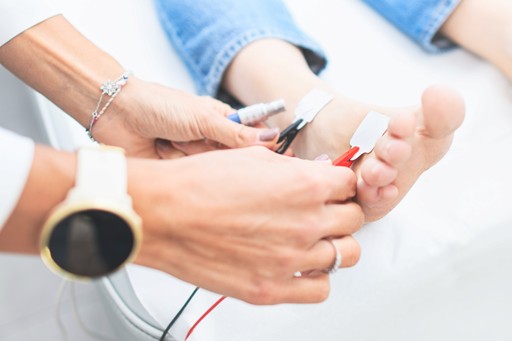
Neurologist specialising in Evoked Potentials (EP) - Paris 16th District

Motor Evoked Potentials (MEP)

Investigating the pyramidal motor pathways of the central nervous system

Motor evoked potentials (MEP) are used to assess the integrity of the pyramidal motor pathways, from the cerebral cortex through the spinal cord to the effector muscles.

The examination is entirely painless: surface electrodes record the nervous system's electrical response to magnetic stimulation, which is applied to the skull, cervical spine, and lumbar spine.

MEPs are prescribed as part of the assessment for:

·      Unexplained motor disorders (motor weakness, paresis, spasticity)

·      Suspected multiple sclerosis (MS)

·      Spinal cord or brain lesions

·     Pre-operative assessment and monitoring of spinal cord compression

The examination takes approximately 20 minutes. It can be performed on its own or in combination with a SEP study. The medical report is provided at the end of the session.


⏱ Duration: 20 minutes


📋 Medical prescription required


✅ Painless examination


📄 Report provided immediately

Neurologist performing transcranial magnetic stimulation for a study of Motor Evoked Potentials (MEP), Paris 16th district

SudoScan
-
Electrochemical Skin Conductance

Rapid and non-invasive screening for small fibre neuropathies

Rapid and non-invasive screening for small fibre neuropathies

Rapid and non-invasive screening for small fibre neuropathies

SudoScan is an innovative, non-invasive test that assesses the function of the sudomotor autonomic nervous system, specifically the small nerve fibres that control the sweat glands. These fibres are often affected at an early stage in certain neuropathies, even before symptoms become apparent on a standard EMG.

The test involves placing your hands and feet on electrodes for approximately 3 minutes. It requires no needles, causes no pain, and needs no special preparation. The results are available immediately.

SudoScan is particularly indicated for:

·      Screening and monitoring diabetic neuropathy

·      Assessing small fibre neuropathies

·      Evaluating the autonomic nervous system in polyneuropathies

·      Therapeutic monitoring of neurological patients


This test is frequently combined with an EMG to provide a comprehensive neuromuscular assessment, covering both large and small nerve fibres.

SudoScan is an innovative, non-invasive test designed to evaluate the function of the sudomotor autonomic nervous system—specifically, the small nerve fibres that control the sweat glands. These fibres are often affected at an early stage in certain neuropathies, even before symptoms become apparent on a standard EMG.

The procedure involves placing your hands and feet on electrode plates for approximately 3 minutes. It requires no needles, causes no pain, and needs no prior preparation. Your results are available immediately.

SudoScan is particularly recommended for:

·      Screening and monitoring diabetic neuropathy

·      Assessing small fibre neuropathies

·      Evaluating the autonomic nervous system in polyneuropathies

·      Monitoring treatment response in neurological patients

This test is frequently combined with an EMG to provide a comprehensive neuromuscular assessment, evaluating both large and small nerve fibres.


⏱ Duration: 15 minutes


📋 Medical prescription required


✅ Completely painless examination — no prior preparation required


📄 Immediate results
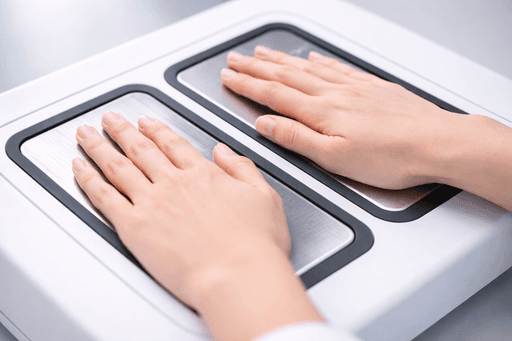
Sudoscan device for the diagnosis of small fibre neuropathy

Neuromuscular consultation

Neuromuscular Consultation


Expert opinion and specialised follow-up for nerve and muscle disorders

Expert opinion and specialised follow-up for nerve and muscle disorders

Expert opinion and specialised follow-up for nerve and muscle disorders

The neuromuscular consultation is dedicated to the diagnosis and follow-up of disorders affecting the peripheral nerve, the neuromuscular junction and the muscle. It is conducted by a specialist neurologist, upon referral from your general practitioner or another specialist.


It is designed for patients presenting with:

·      Unexplained muscle weakness

·      Cramps, myalgia or exercise intolerance

·      Peripheral neuropathy (diabetic, inflammatory, hereditary, etc.)

·      Suspected myopathy or myasthenia gravis

·      Follow-up of a known neuromuscular disease (CMT, myasthenia gravis, ALS, etc.)


The consultation includes a comprehensive clinical examination and can be directly combined with an EMG or a SudoScan.

The neuromuscular consultation is dedicated to the diagnosis and management of conditions affecting the peripheral nerves, the neuromuscular junction, and muscles. It is conducted by a specialist neurologist, upon referral from your general practitioner or another specialist.

It is designed for patients presenting with:

·      Unexplained muscle weakness

·      Cramps, myalgia, or exercise intolerance

·      Peripheral neuropathy (diabetic, inflammatory, hereditary, etc.)

·      Suspected myopathy or myasthenia gravis

·      Follow-up care for a diagnosed neuromuscular disease (CMT, myasthenia gravis, ALS, etc.)

The consultation includes a comprehensive clinical examination and can be directly combined with an EMG or a SudoScan.


📋 Medical referral letter required


🔗 Can be combined with an EMG


📄 Report forwarded to the referring doctor and your primary care physician
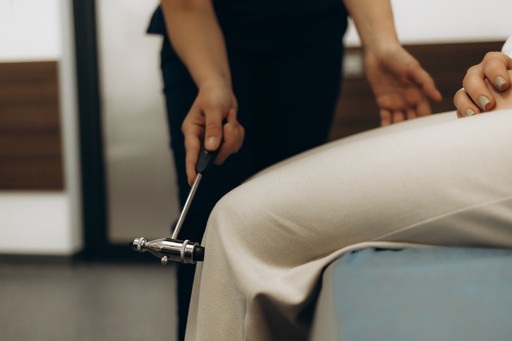
Neuromuscular examination with a neurologist in Paris 16th arrondissement

Second neurological opinion

A second opinion on complex diagnostic cases

A second opinion on complex diagnostic cases

A second opinion on complex diagnostic cases

When faced with an uncertain diagnosis or a complex neurological condition, a specialised second opinion can be decisive. IENA Neurophysiologie offers a consultation dedicated to the analysis and review of previous medical assessments (additional examinations, EMG reports, MRI, biopsies) and to the formulation of a reasoned clinical synthesis.


This consultation is intended for patients:

·      Whose diagnosis remains uncertain despite an initial assessment

·      Wishing to evaluate their situation against an independent opinion

·      Presenting with a rare or atypical neuromuscular pathology


No formal medical referral is required for a second opinion consultation. You will simply be asked to provide all of your medical documents (reports, imaging, laboratory results) to optimise the consultation.

When facing an uncertain diagnosis or a complex neurological condition, a specialised second opinion can be decisive. IENA Neurophysiologie offers a consultation dedicated to the analysis and review of previous medical assessments (additional examinations, EMG reports, MRI, biopsies) and the formulation of a reasoned clinical synthesis.

This consultation is intended for patients:

·      Whose diagnosis remains uncertain despite an initial assessment

·      Wishing to seek an independent opinion on their condition

·      Presenting with a rare or atypical neuromuscular pathology

No formal medical referral is required for a second opinion consultation. You will simply be asked to provide all your medical documents (reports, imaging, laboratory results) to optimise the consultation.


📋 Appointment booking by telephone


🔗 Medical file reviewed prior to your consultation


📄 Clinical assessment and comprehensive summary on the day of your consultation.


📋 Appointment scheduling by telephone


🔗 Medical records reviewed prior to your consultation


📄 Clinical examination and comprehensive summary on the day of your consultation.

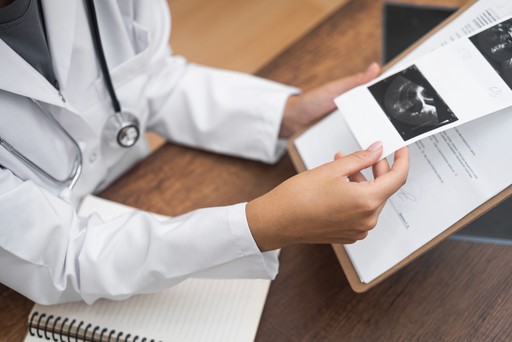
Review of a patient's medical file for a second neurological opinion, Paris 16th Arrondissement

Frequently Asked Questions

Frequently Asked Questions

Is it necessary to fast before undergoing an EMG or a SudoScan?

No. None of the examinations carried out at IENA require you to fast. You may eat and drink as normal prior to your appointment.

How long does an electromyogram procedure take?

An EMG typically takes between 20 and 40 minutes, depending on the scope of the prescribed assessment. The medical report is prepared and provided to the patient immediately following the examination.

Will my medical examination be eligible for reimbursement?

We offer direct billing (tiers-payant) with the French National Health Insurance and complementary health funds for EMGs, evoked potentials, and consultations. You will only need to pay the doctor's surcharge (dépassement d’honoraires) upfront. Please note that SudoScan is not covered by the French National Health Insurance. We advise you to contact your private health insurance provider to check for any potential coverage.

Is the EMG painful?

The nerve conduction study (the first part of the EMG) may cause mild discomfort. Needle detection (the second part) is less painful than a blood test. The examination is well tolerated by the vast majority of patients.

Is it possible to schedule both an EMG and a SudoScan on the same day?

Yes. It is possible to undergo multiple examinations during a single visit — including EMG, SEP, and SudoScan — as well as a neuromuscular consultation if required. This is designed to save you from making multiple journeys. Please note that this must be arranged in advance.

Should I bring anything to my appointment?

Please bring your doctor's prescription or referral letter, your Vitale card (if applicable), your medical history, and any previous test results (such as MRI scans, lab reports, or clinical summaries). For the EMG, please do not apply any moisturising creams or lotions to your arms and legs on the day of your examination.

Contact Us and Schedule an Appointment

IENA Neurophysiology

Contact Us and Schedule an Appointment

IENA Neurophysiology

Contact Us and Schedule an Appointment

IENA Neurophysiology